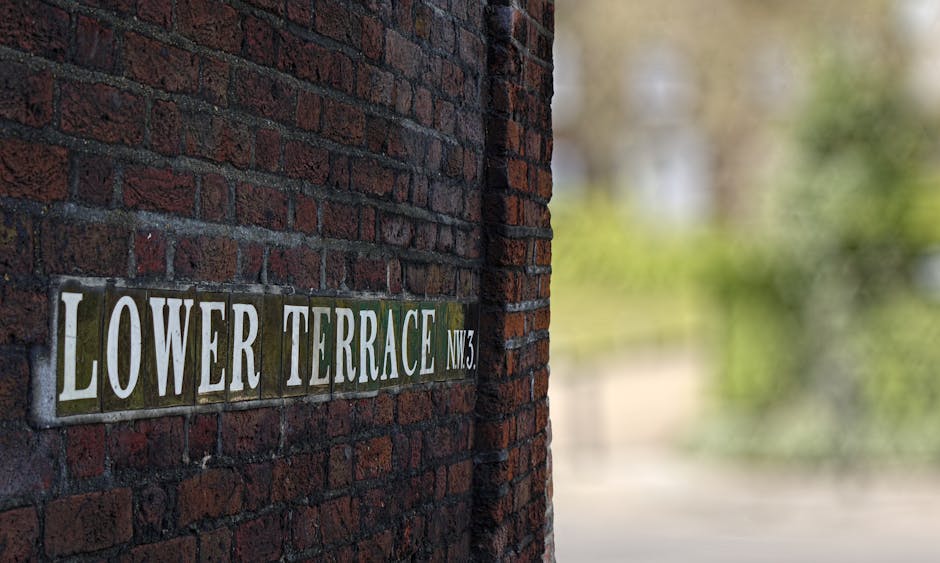
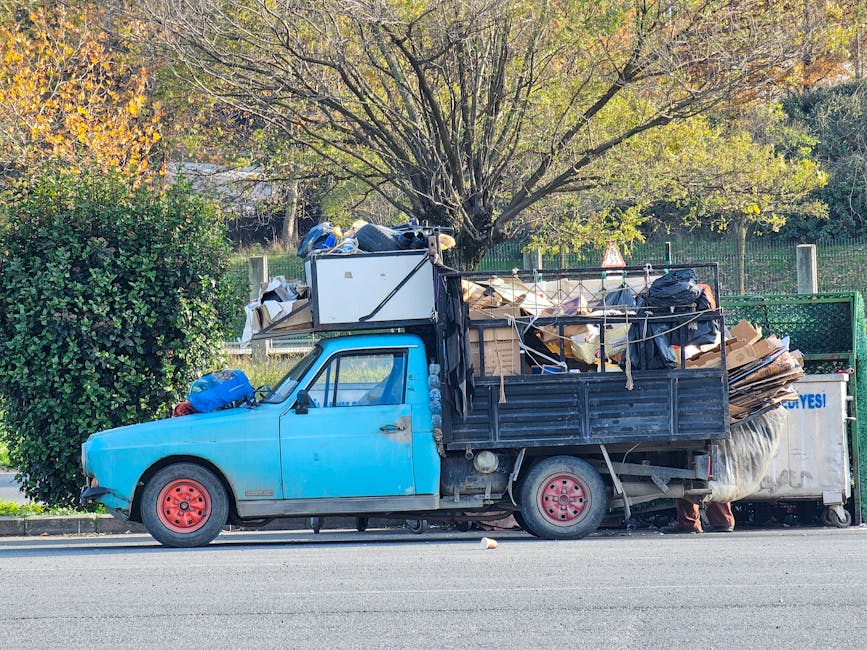
Local guide to rubbish removal in NW3 Hampstead Heath
If you are trying to clear out a flat, a house, a loft, or even just that awkward pile building up after a weekend tidy-up, rubbish removal in NW3 Hampstead Heath can feel more complicated than it should. Narrow streets, basement stairs, parking pressure, mixed waste, and the simple fact that life is busy all add up. This local guide to rubbish removal in NW3 Hampstead Heath breaks the job down into something much more manageable: what to remove, how the service usually works, what to watch out for, and how to choose the right approach without overpaying or creating extra hassle.
Whether you are planning a one-off clearance or just want a cleaner, calmer space, the aim here is practical clarity. No fluff. No mystery. Just the kind of advice that helps you get the job done properly, with less stress and fewer surprises.
Contents
- Why rubbish removal in NW3 Hampstead Heath matters
- How rubbish removal in NW3 Hampstead Heath works
- Key benefits and practical advantages
- Who this is for and when it makes sense
- Step-by-step guidance
- Expert tips for better results
- Common mistakes to avoid
- Tools, resources and recommendations
- Law, compliance, standards and best practice
- Options, methods and comparison table
- Case study or real-world example
- Practical checklist
- Conclusion
- Frequently asked questions
Table of Contents
- Contents
- Why rubbish removal in NW3 Hampstead Heath matters
- How rubbish removal in NW3 Hampstead Heath works
- Key benefits and practical advantages
- Who this is for and when it makes sense
- Step-by-step guidance
- Expert tips for better results
- Common mistakes to avoid
- Tools, resources and recommendations
- Law, compliance, standards and best practice
- Options, methods and comparison table
- Case study or real-world example
- Practical checklist
- Conclusion
- Frequently Asked Questions
Why rubbish removal in NW3 Hampstead Heath matters
Rubbish removal is not just about getting rid of clutter. In a neighbourhood like NW3 Hampstead Heath, it often affects access, safety, time, and even neighbour relations. A couple of bulky items left in a hallway can quickly become a fire risk or a nuisance. Garden waste left out too long can start to smell, especially in warmer weather. And if you have ever tried carrying a broken wardrobe down a tight staircase, you will know that "I'll sort it later" rarely ends well.
The local context matters too. Hampstead Heath and the surrounding NW3 area includes a mix of period homes, mansion blocks, conversions, flats above shops, and older properties with narrow access points. That changes how collections need to be planned. A simple job on paper may require careful timing, a few extra hands, and a vehicle that can actually park where it needs to. Truth be told, the logistics are often half the job.
There is also the practical side of avoiding mistakes. Residents and businesses sometimes assume every load can go straight into a skip or that a quick trip to the local tip will be easier. Sometimes that works. Sometimes it turns into two wasted hours, a parking headache, and a half-finished clear-out. A well-planned rubbish removal service is often the calmer option.
For some tasks, a dedicated clearance service is the right fit. If you are dealing with larger household items, mixed waste, or a more complete clear-out, services such as waste removal and home clearance can be far more efficient than trying to piece the job together yourself.
How rubbish removal in NW3 Hampstead Heath works
Most rubbish removal jobs follow a simple pattern, though the details vary depending on the property, the amount of waste, and the type of items involved. In plain English, the process usually starts with identifying what needs to go, then agreeing how it will be collected, and finally arranging the removal itself.
Typical service flow
- Describe the waste clearly. List the types of items, rough volume, and whether anything is heavy, fragile, awkward, or potentially hazardous.
- Get a quote or estimate. Good providers will ask questions that help them understand access, lifting, and disposal requirements.
- Choose a collection window. This is especially useful in NW3 where parking and building access can be tight.
- Prepare the items. You may be asked to separate certain materials or move small loose items together, though that is not always necessary.
- Collection and loading. The team removes the waste from the agreed location, whether that is a driveway, front room, basement, garage, loft, or garden.
- Sorting and disposal. Reusable or recyclable materials are separated where possible, and the remainder is disposed of appropriately.
That sounds straightforward, and often it is. But the smoothest jobs are the ones where the customer gives a realistic description from the outset. "A few bags" can mean anything from six bin liners to an entire post-renovation mess. Be specific. It saves time and usually saves money too.
In many cases, people also combine rubbish removal with furniture or property clearances. If that is your situation, it may help to look at furniture disposal, furniture clearance, or even flat clearance if the job involves a full internal clear-out.
What counts as rubbish removal?
People use the term loosely. In practice, it can include household rubbish, old furniture, mixed junk, bagged waste, broken items, garden debris, light builders' waste, garage clutter, or office items. What matters is not the label but the type of handling required. A handful of garden trimmings is very different from plasterboard, paint tins, or electrical items.
Key benefits and practical advantages
The main benefit of rubbish removal is obvious: space comes back. But the real value is broader than that. When a property is cluttered, every task feels harder. Finding things takes longer. Cleaning takes longer. Even breathing room changes. You notice it the minute the clutter is gone.
- Time saved: No multiple trips, no queueing at a disposal site, no loading and unloading twice.
- Reduced physical strain: Heavy lifting and awkward items are handled for you.
- Better use of local access: In NW3, where parking and stairs can be awkward, professional collection can be a real relief.
- Cleaner outcome: The space is left ready for decorating, moving, renting, selling, or simply living in more comfortably.
- More responsible disposal: Good operators prioritise sorting, recycling, and lawful disposal.
There is also a less obvious advantage: emotional relief. Clearing a cluttered room, especially after a move, bereavement, tenancy change, or long-overdue declutter, can feel like a mental reset. A local service can take that pressure off without making the process dramatic. Which, to be fair, is probably what most people want.
If you are managing a business property, a workplace clearance can be just as useful. A tidy workspace is easier to run, and commercial clear-outs are often best handled through business waste removal or office clearance depending on the scale of the job.
Who this is for and when it makes sense
This kind of service is for anyone who wants waste gone quickly, safely, and without turning the week upside down. That includes households, landlords, tenants, letting agents, small businesses, tradespeople, and people handling a property transition.
Common NW3 situations where rubbish removal helps
- Moving out or moving in: Old furniture, packing waste, and forgotten clutter need clearing fast.
- End of tenancy: A flat can accumulate surprising amounts of left-behind items.
- After decorating: Packaging, broken fittings, and renovation debris pile up quickly.
- Garden refresh: Branches, soil bags, dead plants, and old pots need a proper uplift.
- Garage or loft clean-outs: These spaces often hold years of "I might need that later."
- Office or shop tidy-up: Desks, filing units, packaging, and general waste need a clear plan.
Sometimes the right answer is not a full property clearance, but a focused service for a specific area. A garage full of mixed items, for instance, might suit garage clearance, while a loft stuffed with forgotten boxes and old suitcases is often better handled through loft clearance. A garden with piles of cuttings and broken planters may be better suited to garden clearance.
And if you are not sure whether your job is really "rubbish removal" or something more specific, that is normal. Many clearances overlap. A decent provider should help you define the job rather than push you into the wrong service.
Step-by-step guidance
Here is the simplest way to approach rubbish removal in NW3 Hampstead Heath without feeling overwhelmed. I know, people often wait until the pile becomes a bit embarrassing. Happens all the time. The trick is to treat it like a short project, not a vague intention.
- Walk through the space slowly. Look at every area that needs attention. Loft, hallway, garden corner, shed, under stairs, basement. You will usually spot more than you remembered.
- Sort the waste into rough groups. Keep it simple: furniture, bagged waste, garden waste, builders' waste, reusable items, and anything questionable.
- Check access. Note stairs, lifts, parking restrictions, narrow doors, or low ceilings. Access details can change the whole plan.
- Decide what must go first. If there are bulky items blocking access, remove those before you worry about smaller bags.
- Ask for a proper quote. Clear descriptions lead to better pricing and fewer awkward surprises on the day.
- Prepare the area. Move personal valuables, documents, medication, keys, and sentimental items somewhere safe.
- Confirm disposal expectations. If recycling or item sorting matters to you, say so early.
- Book the collection and keep the route clear. A clear path saves time and reduces damage risk.
If the job involves household contents rather than plain rubbish, it may be better to discuss house clearance or home clearance rather than trying to force everything into one generic category. That little bit of clarity helps more than most people expect.
Expert tips for better results
The jobs that go best are usually the ones where the preparation is calm, not perfect. You do not need to over-engineer it. You just need to avoid the obvious traps.
- Take photos before you book. Pictures make estimates more accurate, especially for mixed or bulky waste.
- Measure awkward items. Wardrobes, sofas, mattresses, and long boards are the usual troublemakers.
- Be honest about access. A basement flat with tight stairs is not the same as a ground-floor collection. Never mind the optimism.
- Keep valuable items separate. Especially in lofts and garages, where "junk" and "useful" can look oddly similar at first glance.
- Bundle small items neatly. A well-tied bag is faster and safer than loose debris scattered around.
- Ask about recycling. If sustainable disposal matters to you, choose a provider that can explain how materials are handled. More on that in a moment.
A useful local habit: try to schedule collections earlier in the day if the property is difficult to access. In busy residential streets, morning slots can be calmer, and if a parking opportunity appears, you do not want to miss it while hunting for the second shoe or another bag. Small things, but they add up.
For bigger clear-outs, you may also want to look at builders waste clearance if the material comes from decorating, fitting, or light refurbishment. That is a different beast from household clutter, and it is worth treating it as such.
Common mistakes to avoid
Most rubbish removal problems are preventable. They come from rushing, guessing, or not reading the situation properly. Let's face it, everybody wants the job over and done with, but a little planning makes the whole thing cheaper and less messy.
- Underestimating volume: A room looks small until you start removing things.
- Mixing everything together: Hazardous, electrical, and general waste should not all be treated the same way.
- Ignoring access issues: This is one of the biggest causes of delay and surprise cost.
- Leaving items in awkward places: If a team has to move waste through a maze of clutter, the job takes longer.
- Choosing solely on price: The cheapest quote is not always the best value if the service is vague or incomplete.
- Forgetting about recycling goals: If you care about re-use or recycling, say so before collection day.
Another common issue is booking the wrong kind of service. A stack of old office chairs is not the same as a pile of garden clippings. A few bulky items may fit a furniture-focused solution, while a mixed load might be better handled through broader waste removal. Matching the service to the actual job is one of those boring little decisions that saves real hassle.
Tools, resources and recommendations
You do not need a van, a heavy-duty trolley, or a weekend full of borrowed bins to get organised. For most people, a few simple tools and a clear plan are enough.
Useful things to have before collection day
- Heavy-duty bin bags or rubble sacks
- Gloves for sorting sharp or dusty items
- Marker labels for keeping items grouped
- A torch for lofts, cupboards, and basement corners
- Basic tape measure for bulky furniture
- Phone photos for the quote and for your own records
From a practical standpoint, photos are probably the most useful tool of all. A good set of images often answers the obvious questions straight away: what is there, how much space does it take, and how hard will it be to remove? It sounds simple because it is.
On the service side, you may find it helpful to review pages that explain how specific jobs are handled. For example, furniture clearance and furniture disposal can clarify what happens to bulky household items, while the business-focused business waste removal page is useful if you are clearing a workplace or stockroom.
If you want to understand how a provider approaches responsible handling, it is also sensible to read about recycling and sustainability. That does not mean every item can be recycled, of course, but it gives you a clearer idea of the company's disposal mindset.
Law, compliance, standards and best practice
Waste removal has a practical side and a compliance side. You do not need to become a legal expert, but it helps to know the basic expectations. In the UK, anyone producing waste has responsibilities around how it is stored, transferred, and passed on. That is especially true if the waste comes from a business or from trade-related work.
Good practice usually means this: do not assume waste can be dumped anywhere, do not mix materials carelessly, and do not hand items to someone who cannot explain how they will be disposed of. If a provider cannot describe their process in plain language, that is a warning sign. Simple as that.
For households, the main concern is making sure the collection is done safely and that anything hazardous or specialist is treated appropriately. For businesses, the expectation is usually higher because commercial waste needs a more structured approach. Records, duty of care, and responsible handling matter. You do not need to know every detail, but you should expect the provider to behave as if it matters.
There are also health and safety expectations. Lifting heavy waste through stairwells, moving sharp debris, and handling bulky furniture can create avoidable injury risk. That is why a professional team should work sensibly, use suitable equipment, and take site conditions seriously. You can read more about the approach to health and safety policy and insurance and safety if you want reassurance before booking.
And one more thing: if a company is vague about terms, payment, or what is included, ask first. Clarity is not a luxury. It is part of good service. If you want to know how pricing is handled, the most useful place to check is pricing and quotes, along with payment and security for confidence around transactions.
Options, methods and comparison table
There is no single "best" way to deal with waste in NW3. The right choice depends on the amount, the type of waste, access, and how quickly you need the area cleared. Here is a straightforward comparison.
| Method | Best for | Pros | Limitations |
|---|---|---|---|
| DIY loading and disposal | Very small amounts, light bags | Can seem low cost if you already have transport | Time-consuming, physically demanding, parking and disposal logistics can be awkward |
| Skip hire | Projects with steady waste output over time | Useful for ongoing renovation or garden work | Needs space, permits may be relevant, and loading is your responsibility |
| Professional rubbish removal | Mixed waste, bulky items, urgent clear-outs, awkward access | Fast, convenient, minimal effort for you | Usually priced for convenience and labour as well as disposal |
For many Hampstead Heath properties, professional rubbish removal is the most practical option because it adapts to access rather than asking the property to adapt to the service. That is a subtle difference, but a very useful one.
In a flat with a narrow staircase, for example, a skip may not help much. In a garden where branches, broken pots, and old timber need shifting, a flexible clearance team can be the better fit. If your job is more property-wide, it may also be worth comparing house clearance and home clearance with a more basic waste removal approach.
Case study or real-world example
A typical NW3 job might start with a resident in a converted flat near Hampstead Heath who wants to clear a mix of items: a damaged sofa, two office chairs, several bin bags, a broken shelving unit, and a stack of packaging from recent deliveries. There is no lift. The hallway is narrow. Parking is tight. Classic London, really.
The most sensible approach is not to treat this as a "quick rubbish pick-up" and hope for the best. It is better to describe the load accurately, confirm access, and group the items by type. The sofa and chairs go first, the bags follow, and the loose packaging is gathered neatly. If there are extra items in the loft or spare room, the team can account for those too.
What makes the difference here is not heroics. It is clarity. The resident knows what is going, the provider knows what to expect, and the collection can be completed without repeated back-and-forth. The end result is a clean, usable space and a much less stressful day.
That same pattern works for a small office, a garage that has become a storage trap, or a garden that needs a full reset before spring. The details change, but the principle stays the same: describe the job properly, prepare the access, and let the removal be done in one clean visit if possible.
Practical checklist
Use this checklist before arranging rubbish removal in NW3 Hampstead Heath. It is simple, but it catches most of the things people forget.
- List every item or waste type you want removed
- Take clear photos from a few angles
- Check stairs, parking, lifts, and access routes
- Separate valuables, documents, and personal keepsakes
- Identify anything hazardous, sharp, or unusually heavy
- Decide whether the job is rubbish removal, furniture removal, garden clearance, or a broader clearance
- Ask about recycling and disposal handling
- Confirm the collection time and whether anyone needs to be present
- Keep the route to the waste as clear as possible
- Read the terms, pricing notes, and safety information before booking
If the job turns out to be larger than expected, do not panic. It happens. A lot. You can always speak with the team and refine the scope. Better to adjust early than pretend it is a tiny job when it clearly is not.
Expert summary: the best rubbish removal jobs in NW3 are the ones where the waste is described accurately, access is checked in advance, and the service matches the actual task rather than a rough guess. That is where the time savings, safety gains, and cost control really come from.
Conclusion
Rubbish removal in NW3 Hampstead Heath is easiest when you treat it as a practical planning task rather than a last-minute chore. The more clearly you define the waste, the smoother the collection tends to be. And because local properties often come with narrow access, parking challenges, and a mix of old and new building layouts, good planning is not just helpful - it is part of getting the job done well.
If you are dealing with mixed household junk, a flat clear-out, garden debris, or a more specific clearance project, the right service can save you time, lifting, and plenty of frustration. It can also make a room feel different in a way that is hard to explain until you see it. Quieter, somehow. Lighter.
Take your time, get the details right, and choose a provider that explains things clearly. That is usually the difference between a messy day and a reassuringly simple one.
Get a free quote today and see how much you can save.
And if you are on the fence, that is fine too. Start with the space that is bothering you most, sort that one thing well, and the rest often becomes easier.
Frequently Asked Questions
What is the best way to arrange rubbish removal in NW3 Hampstead Heath?
The best approach is to list the waste clearly, take photos, check access, and ask for a quote based on the actual load. That usually gives the most accurate price and avoids delays on collection day.
How is rubbish removal different from a general clearance?
Rubbish removal usually focuses on waste and disposal, while a general clearance may include more sorting, bulky items, furniture, and property-wide tidying. If you have mixed contents, a broader clearance may be better.
Can I use rubbish removal for furniture as well?
Yes, many jobs include sofas, chairs, tables, wardrobes, and similar items. For larger or item-specific loads, furniture-focused services such as furniture clearance or furniture disposal may be a better fit.
Do I need to separate recycling from general waste beforehand?
It helps, but it is not always essential. A good provider will sort items where possible. If you have materials you want kept separate, say so in advance.
What should I do before the collection team arrives?
Clear the route to the waste, move personal items aside, and make sure the access details are correct. If the job involves a flat or a loft, check that stairs, doors, and hallways are usable.
Is rubbish removal suitable for garden waste in Hampstead Heath?
Yes, especially for branches, cuttings, broken pots, soil bags, and mixed garden debris. For heavier or overgrown outdoor work, a garden clearance service may be more suitable.
How do I know whether I need waste removal or builders' waste clearance?
If the material comes from decorating, renovation, or light construction, builders' waste clearance is often the better category. If it is mixed household or general clutter, waste removal is usually the simpler option.
What happens to the rubbish after it is collected?
It is usually sorted, with recyclable or reusable materials separated where possible. The rest is taken for lawful disposal. If sustainability matters to you, ask how the provider handles sorting and recycling.
Is it worth booking a clearance service for just a few items?
Sometimes yes, especially if the items are bulky, heavy, or awkward to move. Even a small job can become inconvenient if stairs, parking, or transport are difficult.
Can businesses in NW3 use the same kind of service?
Businesses often need a more structured approach, especially for stock, office furniture, or mixed commercial waste. In those cases, business waste removal or office clearance is usually more appropriate.
How can I avoid unexpected costs?
Give an accurate description, mention access issues, and be honest about volume. The biggest surprises usually come from underestimating how much waste there is or forgetting about awkward lifting conditions.
Where can I check pricing, safety, or company policies before booking?
Useful pages to review include pricing and quotes, payment and security, health and safety policy, insurance and safety, and recycling and sustainability. They help you understand how the service is run and what to expect.