Garden clearance in Hampstead Heath

Garden clearance in Hampstead Heath needs a careful, practical approach because outdoor spaces can contain mixed green waste, broken fixtures, old timber, soil, prunings and general rubbish all in one job. We provide a straightforward service for removing that material and leaving the space ready for its next use, whether that means seasonal tidying, preparing for planting, or making a neglected garden easier to work in. The focus is on collecting the waste properly, loading it efficiently and handling it in a way that suits the type of material involved.
Our work can cover one-off clearances after a heavy pruning session, regular tidy-ups for busy homes, and larger outdoor clean-downs where a plot has become overgrown. Because garden waste often includes more than leaves and branches, we can separate bulky items from organic waste and plan the removal around what needs lifting, cutting down or bagging first. If you need help deciding what should go, use the service pages below to understand the different types of clearance we offer, then request a quotation once you are ready.
For customers comparing options, it helps to think about access, the amount of waste, and whether items are mostly green material or mixed garden rubbish. The clearer the scope, the easier it is to match the job with the right service. You can also look at our pricing and quotes information if you want to understand how enquiries are handled before you make a decision.
What garden clearance can include
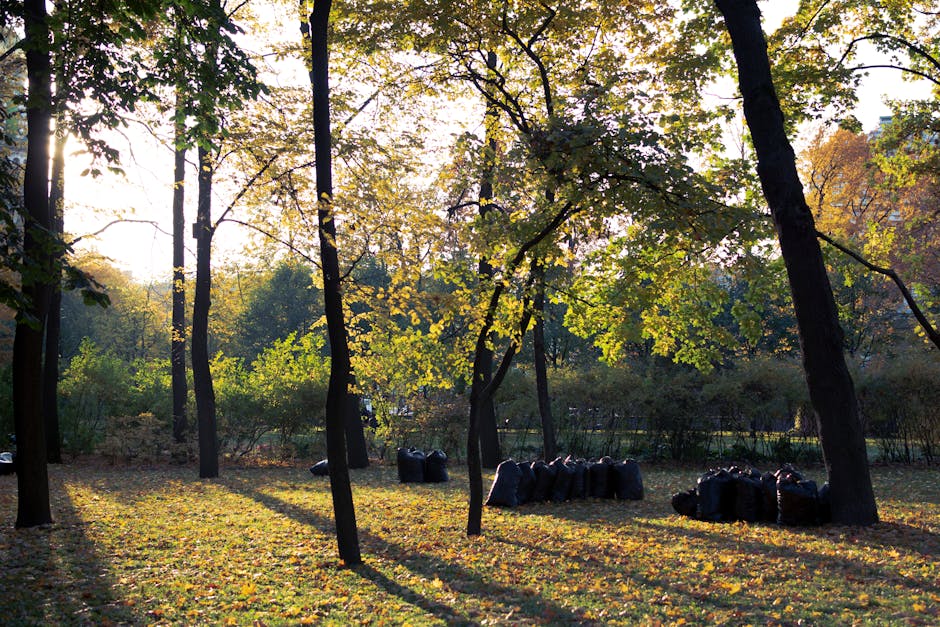
Garden clearance is broader than simple green waste collection. Many jobs involve cut hedges, branches, dead plants, bags of weeds, broken pots, timber offcuts, disused fencing panels or old garden furniture that no longer belongs outside. We handle the physical removal of that material and keep the process organised so the usable parts of the garden are not disturbed more than necessary. The job is usually about restoring order rather than altering the garden itself, which makes careful sorting and loading important.
Different kinds of outdoor waste need different handling. Soft green waste can often be loaded separately from heavier or mixed waste, while soil, rubble and hard landscaping pieces may need to be treated as a distinct load. When items are awkward or partially buried, sensible planning matters more than speed. In many cases, a well-managed clearance is the best way to make the space safe to walk through, easier to maintain and simpler to work on afterwards. Our garden clearance service is set up for that kind of practical, mixed-material job.
Common examples of what may be removed include:
- hedge trimmings, branches and cuttings
- old plant pots, trays and broken containers
- bagged weeds, leaves and general garden litter
- timber, broken edging and dismantled fixtures
- bulky outdoor items that need lifting out of the way
Working method and preparation

To keep the service efficient, it helps to identify the main piles or problem areas before the clearance begins. A short description of what is on site can be enough to outline the job, especially if the waste is spread across beds, paths, sheds and boundary edges. Where access is limited, it is useful to mention narrow gates, side passages or steps, since these factors can affect how material is carried out. That does not need to be complicated; it simply helps the work be planned in a sensible order.
The garden itself often determines the best sequence. Loose green waste may be gathered first, then heavier or sharper items removed once the main walking lines are clear. If there are bags already filled, they can usually be handled alongside loose cuttings, but mixed waste may need sorting before loading. You do not need to tidy everything in advance, although a brief note about what is easy to reach and what is not can help avoid delays. If you prefer a direct starting point, use contact us to make the first enquiry.
We also recognise that some jobs are not just about appearance. Clearing away debris can make future maintenance simpler, help gardeners reach beds and borders more easily, and remove items that are getting in the way of other outdoor work. Practical access and clear scope matter more than decorative details, so the service is best approached as a piece of hands-on site work rather than a one-size-fits-all tidy-up.
Garden waste, bulky items and mixed loads
Some clearances are almost entirely organic, while others contain mixed materials that have built up over time. That distinction matters because garden waste, dismantled timber and unwanted outdoor items do not all move or process in the same way. We can deal with clearance work that includes a combination of cuttings and bulky objects, provided the scope is described clearly enough to be assessed. The aim is to remove what should go, not to leave the customer trying to sort a complicated pile alone.
Mixed loads often arise when a garden project has gone partway, or when older outdoor features are being taken apart. A stack of branches may sit beside broken shelving, rusted frames or damaged planters, and those items usually need different handling within the same visit. For that reason, it is helpful to separate clearly reusable belongings from disposal waste before the work starts. If you also need larger household items removed from outdoors, the furniture disposal page can be a useful reference.
Where waste is dense or piled up in several places, an organised approach is usually more effective than lifting everything in one sweep. A sensible clearance starts with access routes, then moves to the largest obstructions, then finishes with the smaller fragments that are easy to miss. That method reduces the chance of leaving debris behind and makes the overall result more even.
Types of outdoor spaces we can clear

Garden clearance is often needed in spaces that are not conventional lawns. Courtyards, side return areas, paved rear yards, narrow strip gardens and shared outdoor sections can all accumulate waste in different ways. A compact yard may contain more hard material than planting, while a deeper garden might hold thicker vegetation and more cut growth. The clearance method should suit the space itself, which is why a flexible service is more useful than a rigid checklist.
In some homes, the outdoor area also functions as storage space, so the job can include old containers, disused equipment and other weathered items that have become part of the garden scene. Those jobs are usually about reclaiming usable space, but they still need care because the items may be wedged in, damp, muddy or partially hidden under growth. For broader property clearances that involve both inside and outside areas, our home clearance and house clearance pages explain other relevant services.
We avoid treating every outdoor job as identical. A small patio cluttered with broken pots is not the same as an overgrown rear garden with cut hedging, and both differ again from a boundary strip filled with old timber and soil. This is why the enquiry stage should focus on what is actually present, rather than assuming a standard load. Clear description helps produce a more accurate quotation and a smoother collection.
How we approach larger or more awkward clearances
Some gardens are straightforward, but others contain awkward features such as uneven ground, tangled planting, narrow access or material that has been left for a long time. In those cases, the practical priority is not just removal but doing it in a way that avoids unnecessary disturbance. We can work through the clearance in stages, handling the obvious waste first and then moving on to the more awkward material once the site is easier to navigate.
Where a job includes branches, climbing plants or heavy clumps of cut vegetation, it is often better to separate the load by weight and type. That makes handling easier and can help the final removal feel more controlled. If your project includes structural or building-related outdoor waste, our builders waste clearance service may be more suitable for the heavier, non-garden material. Keeping those categories distinct helps everyone understand what will be collected.
The most useful customer input is usually simple and factual: what is there, where it is located and whether anything should be left in place. That allows the job to be scoped without unnecessary back-and-forth. If there are fragile borders, compost areas or items you want protected, mention them clearly at the start so the clearance can be planned around them rather than discovered mid-way through the work.
Garden clearance options for homes and shared properties
Outdoor waste can build up in all kinds of properties, from private gardens to shared access spaces and rental homes between occupants. The job may involve a quick tidy after a maintenance delay, or a more extensive clean-up where the outside area has become difficult to use. We can adapt the clearance to suit the type of property, the volume of waste and the level of access, with the emphasis always on removing the material cleanly and leaving the space better organised than before.
In some situations, the work sits alongside a broader property change. A move, refurbishment or long-overdue declutter can all create outdoor waste at the same time as indoor items. When that happens, it may make sense to review our flat clearance or loft clearance pages as well, especially if the garden is only one part of a larger clearance project. Matching the service to the exact mix of items is usually more efficient than forcing everything into one category.
Useful enquiry details often include the main material types, whether the waste is stacked or spread out, and whether any items can be carried straight out or need dismantling first. That is enough for most quotations. There is no need to over-explain the history of the mess; a concise, accurate description is normally the most helpful approach.
About Hampstead Heath
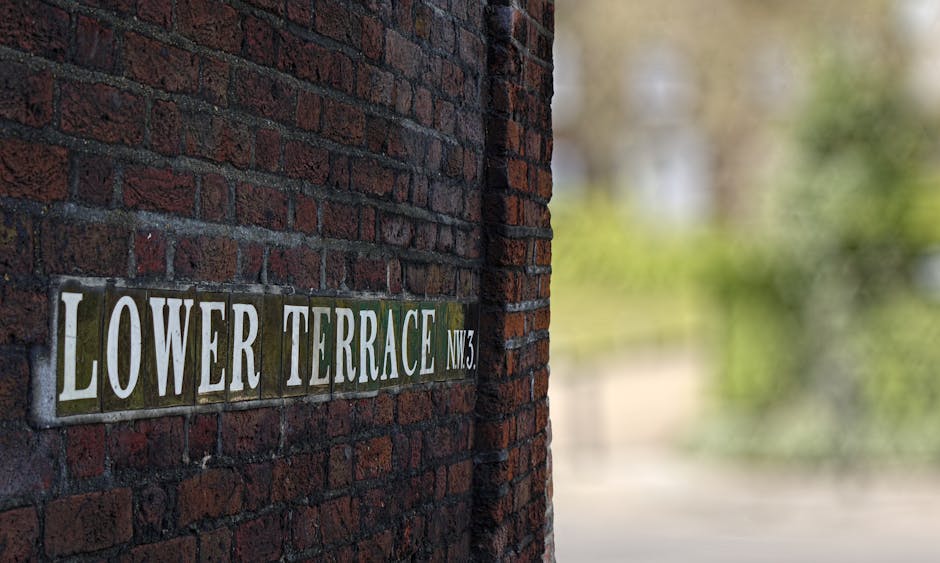
Hampstead Heath is one of London’s best-known open spaces, stretching across high ground in north London and offering a landscape that feels notably different from the city’s formal parks. The Heath is valued for its broad mix of woodland, grassland, ponds and rougher natural areas, with paths that move between open views and denser tree cover. It sits close to Hampstead and Highgate, and its character reflects a long history of common land, informal recreation and conservation. The land includes several distinctive features, among them Parliament Hill with its wide outlook across London, the swimming ponds, and areas of ancient woodland that help give the Heath a more varied ecological feel than many urban green spaces.
Supporting services and disposal choices
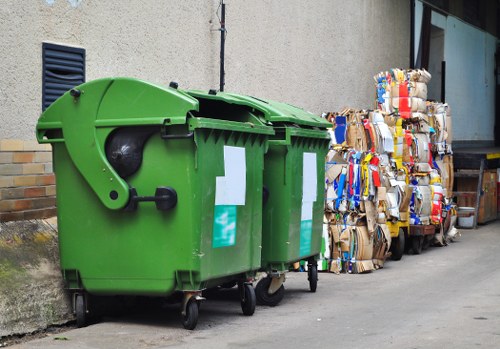
Although garden clearance is the main focus here, some customers need related waste removed at the same time. That can include unwanted outdoor furniture, fencing offcuts, shed contents or general rubbish that has drifted into the garden over time. We aim to keep the categories clear so the right material goes into the right load. If your job includes items from a garage or storage area as well as the garden, the garage clearance page may also be relevant, especially where the waste is mixed and bulky.
Disposal choices matter because not every item should be handled the same way. Green waste is often different from rigid plastic, timber, metal or broken household pieces, and the cleaner the separation, the easier it is to manage the removal responsibly. Customers do not need to sort every small item before asking for help, but a basic distinction between plant waste, hard materials and reusable belongings makes the process more efficient. That is also why the recycling and sustainability page can help explain how different waste streams are considered.
If you are unsure whether something counts as garden waste or general waste, it is usually best to mention it rather than leave it out. A good quotation depends on the real contents of the job, not on assumptions. The more accurately the waste is described, the more straightforward it becomes to decide what should be removed together and what may need to be listed separately.
Pricing factors and quotation details
Garden clearance pricing is usually influenced by the amount of waste, the type of material, how easy it is to access, and whether any items need dismantling or careful handling before removal. A pile of light cuttings is very different from a mixed load containing timber, soil, broken outdoor items and dense clippings. For that reason, it is better to describe the job honestly than to try to compress it into a rough guess. A clear quotation starts with a clear scope.
When asking for a price, it helps to note whether the waste is already bagged, whether it is spread across the garden, and whether there are obstacles such as narrow gates or steep steps. If there are several distinct piles, mention them all so the work can be considered properly. The about us page provides background on the business, while the quotation request can then be based on the actual clearance you need rather than a generic description.
Short practical notes are usually enough: what needs removing, what should stay, and whether anything is difficult to reach. Accuracy beats length in a quotation request, because it gives a much better basis for planning the work and avoids unnecessary assumptions. If you already know the main items, you are usually close to the information needed for an enquiry.
Making the most of the clearance
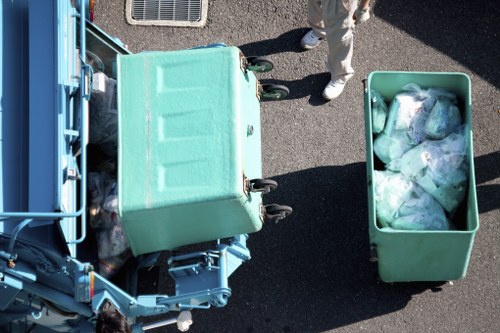
A well-handled garden clearance can create a clearer starting point for whatever comes next, whether that is simple maintenance, a planting project or a larger outdoor refresh. The important thing is that the removal work is done in a tidy, methodical way, without treating every item as though it were identical. Our service is built around that practical difference, so the work remains focused on removal rather than overcomplication. If you are ready to move ahead, request a quotation with the main details of the waste.
It is also useful to think about what you want to keep before the clearance begins. Pots, tools, compost bins, decorative items and reusable timber can be left in place if they are clearly identified. That keeps the job efficient and reduces the chance of removing something that still has a use. Where the outdoor space is part of a larger clearance project, we can help you choose the most relevant service page and keep the request concise enough to be practical.
For a simple next step, send the key details, note any access issues and say what should stay. If the job is mainly garden waste, this is the right place to start. If it includes other types of household or outdoor material, you can compare the related service pages first and then make a clearer enquiry. Contact us when you are ready to turn the scope into a proper quotation.